
Co-ops and internships are important because they offer great learning and professional development opportunities and lead to increased employment opportunities upon graduation. Participation in a co-op or internship is a way to gain real-world work experience. Employers want to see professional work experience on resumes (for some, it is a requirement), and companies regularly use their co-op/internship programs as pipelines for hiring full-time employees.
Co-ops and Internships
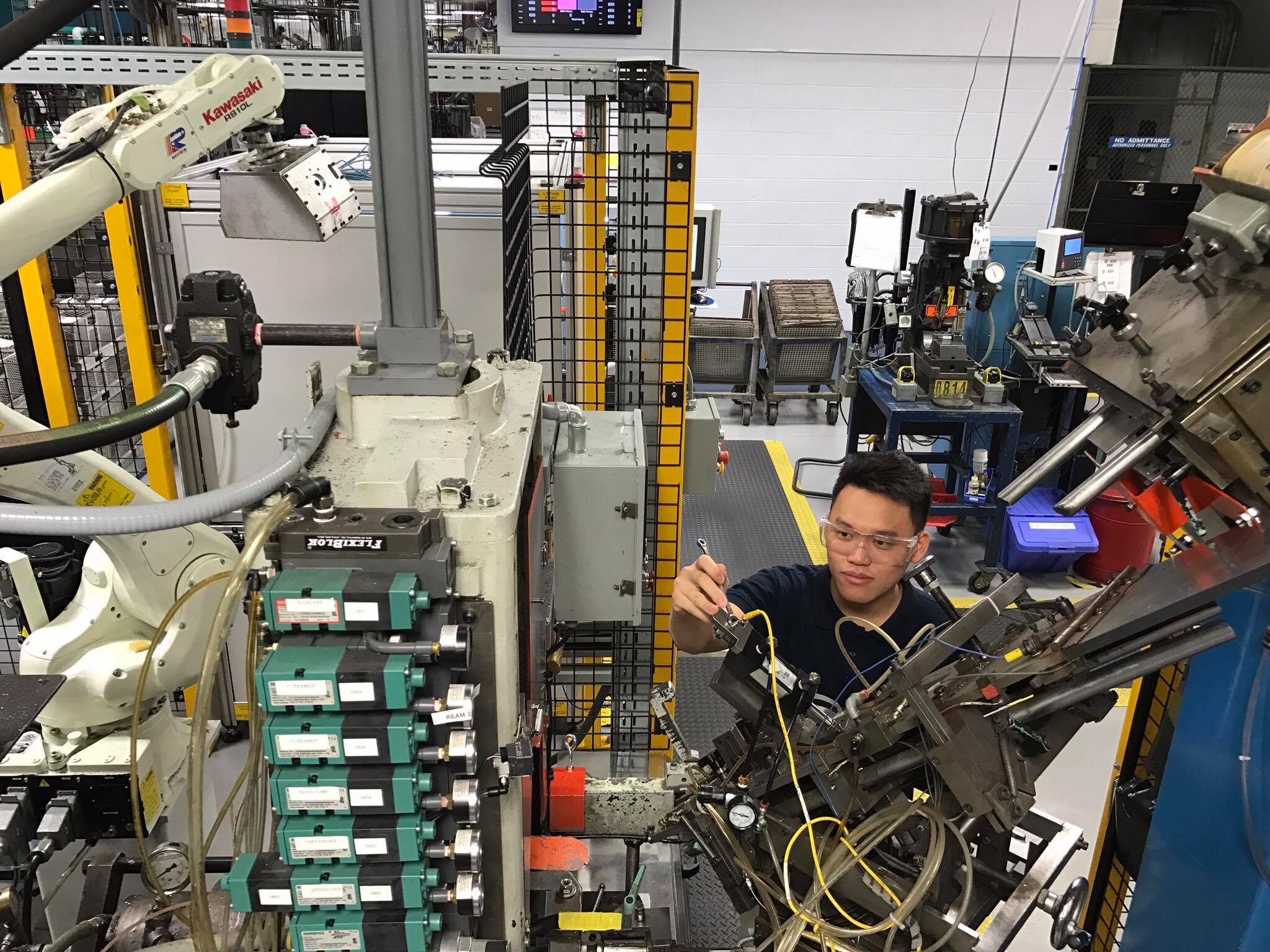
Co-ops and internships are periods of institutionally supervised work experience that supplement formal academic classwork. Students are employed by industry and government organizations in positions related to their major field of study. Unlike a typical part-time or summer job, an engineering co-op or internship must Involve the Practice of Engineering, and students must be paid. Co-ops and internships are not required by the college, but they are highly encouraged.
- A co-op is a single work term of a semester (Jan – May or Aug – Dec) or a semester plus a summer (Jan – Aug or May -Dec).
- An internship is ten or more weeks of work during the summer (May – Aug).
- A parallel co-op is part-time work (at least 20 hours per week) during the semester while taking 6 to 9 credits of coursework.
- A condensed internship is work during the winter term or less than 10 weeks in the summer.
- Enhanced career exploration and clarification of career goals.
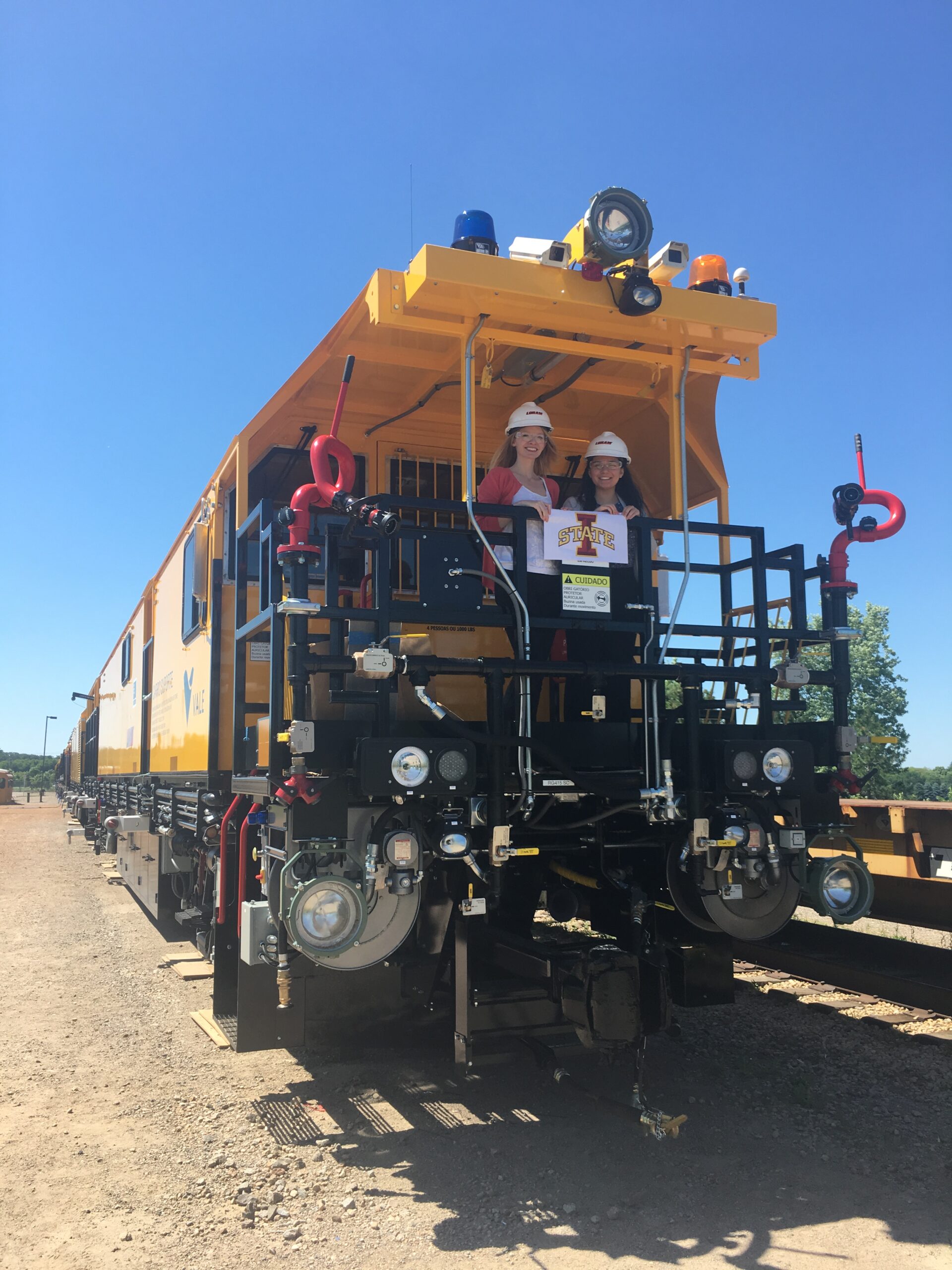
- Co-ops and internships bridge classwork and the professional practice of engineering.
- They provide opportunities to make connections between theory and the application of engineering principles and to develop skills and workplace habits.
- Co-ops also lead to a stronger resume, provide professional networking opportunities, and generally result in more post-graduate employment opportunities. Many employers use co-ops and internships to identify engineering talent to recruit for full-time employment.
- A greater understanding and appreciation of educational needs and objectives.
- For engineering students, these are paid positions, and the salary is at a competitive rate (see outcome and salary statistics for more information).
Registering these work/learning experiences with Engineering Career Services gets the experience documented on the ISU transcript and allows students to maintain full-time student status. (*NOTE – The co-op/intern course is zero credits and has no tuition costs. If you choose to take additional classes, you will be responsible for that cost.)
- We work with the companies and supervisors on the front end to ensure that your work experience is well-supervised and focused on engineering. We work to ensure that the time and effort you spend on internships is maximized for your learning. Maintain full-time student status without tuition and fees.
- Special course on Canvas with additional resources for students enrolled in the co-op/internship course.
- If you have enrolled your internship or co-op in the past, you can compare your survey results and see how your competencies have improved.
- If you were to have issues during your internship, we can help you if you are registered because you would be considered a student and in an academic program.
- Hours worked as part of a co-op or internship can be counted towards the work experience requirements for a professional engineering (P.E.) license if you enrolled in the course. Each semester alumni request that a past internship be retroactively added to their transcripts, but that is not allowed so you must register it now.
- This helps us maintain accurate data on student experiences, which helps other students make employment and salary decisions.
- ISU uses the survey information as part of the ABET accreditation process. If students opt out of registering for internships, this could affect the ABET accreditation.
Ready to Register?
-
Note to Graduate Students
Please work with your major department to register for an internship or co-op. You will need the graduate level 697 course.tm
-
Note to Employers
Please visit our Employer’s Experiential Education Information page.
Co-op and Internship Policies
While there isn’t a set GPA requirement, students must be in good academic standing to be able to accept and partake in a co-op or internship. Students that are on academic probation must get approval from their academic advisor to partake in a co-op or internship.
Students may not be gone from campus for a year at a time. This means that students may not go out on a co-op for two semesters back to back; spring/fall or fall/spring (excluding summer). Students need to return to campus for coursework between semester work terms. Students are able to get the most learning benefit when they alternate between academics and work experience, as it allows them to apply what they are learning in both places. There is an exception to this. If a student is doing a parallel co-op (working 20 hours and taking 6 to 9 credits), they may work back-to-back semesters. This is allowed because they are still on campus taking classes.
Students on a summer internship must work full-time (40 hours) a week for at least 10 weeks (May – Aug). Part-time summer internships will not be registered. Working part-time during the summer break is too short of a duration to constitute a thorough internship experience. The exception to this rule is the condensed internship, which allows you to work less than the 10 weeks.
Taking classes (on-campus or online) while completing a full-time co-op or internship is NOT recommended. When enrolling in a co-op or internship, you are enrolling for a full-time academic course and need to give 100% to your employer. Students that attempt additional courses often end up dropping or failing them because they find that the co-op/internship requires a larger time commitment than expected. If students choose to enroll in other classes while on a co-op or internship and later decide to drop them, they will be expected to pay any fees associated with dropping the course(s). As well, the student’s registration for the co-op or internship could be denied if they are taking too many credits or your department feels it’s in the student’s best interest to not take courses while participating in a co-op or internship.
If you experience a concern or issue while on a co-op or internship, talk to your supervisor or the HR department of your employer. Contact Engineering Career Services (ecs@iastate.edu) if you do not feel comfortable or they are not addressing your concerns. If you feel unsafe at any time, immediately remove yourself from the situation and contact ECS.
Information regarding discrimination, harassment, and sexual misconduct
More Questions?
Please visit the Co-op & Internship FAQs page.
-
Share your Experience
Help take some of the mystery out of co-ops/internships and encourage fellow students to participate while also helping your employer gain name recognition. Participate in the Co-ops & Internship Spotlight on ECS Instagram (@ISU_ECS). If you’re interested in being included, please complete the form here.
Not sure about sure about being featured on our Instagram?